The phenomenal growth of the wind power industry
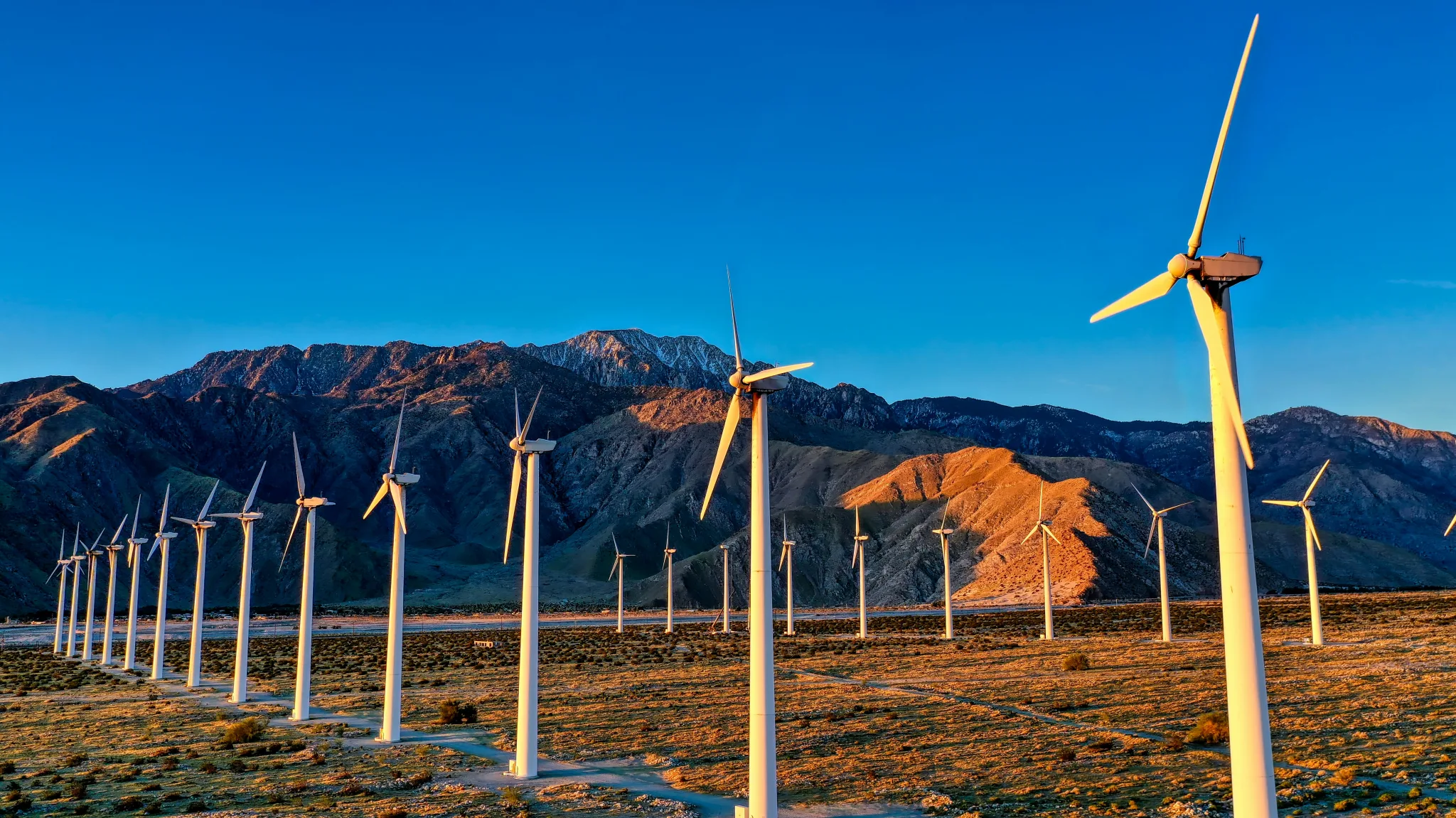
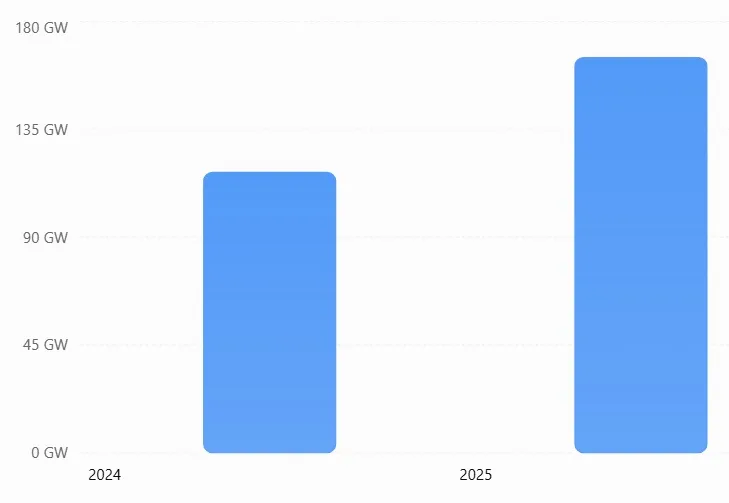
According to the Global Wind Energy Council's Global Wind Report 2026, global installed wind power capacity reached 1,299 GW by the end of 2025. A record 165 GW was installed during 2025, representing a 40% increase over the previous year. As many as 138 countries now harness wind energy.
What began with small, isolated windmills has transformed into a massive industrial enterprise, with some offshore turbines exceeding 250 metres in height. India had an installed wind power capacity of 59.2 GW as of September 2026.
Wind is a global commons
The atmosphere belongs to no individual, corporation or nation. Wind travels across villages, districts, states and national boundaries. Yet commercial wind energy extraction allows an entity occupying a particular geographical location to extract energy from a natural resource before it reaches others. Consider a river. If an upstream enterprise significantly alters its flow, downstream communities have legitimate grounds to question the consequences.
Should similar principles apply to wind?
The atmosphere behaves differently from a river because wind energy is continuously replenished through atmospheric circulation and mixing. The question is not whether wind can be exhausted, but whether its natural distribution can be altered sufficiently to affect those who depend upon it.
Are we stealing the wind from those downwind?
Wind is an integral part of the Earth's atmospheric machinery. It transports moisture, redistributes heat, influences rainfall, regulates temperatures and supports numerous biological processes. When a wind turbine generates electricity, it extracts kinetic energy from moving air, reducing its speed at rotor height and increasing turbulence. This phenomenon is called the wind wake effect.
A 2021
study published in Scientific Reports documented atmospheric disturbances
extending approximately 30 kilometres downwind of wind farms. Under certain
offshore conditions, wind wakes can extend beyond 50 kilometres. If a
wind farm can deprive another wind farm of part of its available wind energy,
what consequences does it have for agricultural lands, forests, water bodies
and human settlements situated downwind 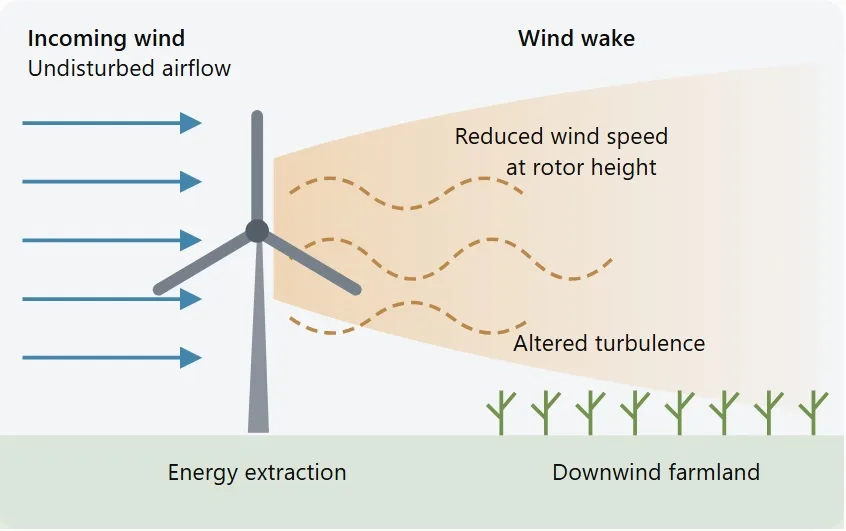
Can wind farms alter local climate?
Wind turbines create turbulence that mixes warmer and cooler atmospheric layers, potentially changing surface temperatures and moisture conditions. Research indicates that wind farms can influence local microclimates, with effects depending upon atmospheric stability, vegetation, geography and prevailing weather conditions.
Potential effects include:
- Changes in near-surface air temperatures.
- Changes in soil moisture.
- Altered nighttime cooling.
- Changes in heat and moisture exchange between land and atmosphere.
These effects are not universal and should not be confused with global warming. Nevertheless, wind farms are not necessarily climatically neutral at the local level.
What happens to agricultural crops?
Agriculture is particularly sensitive to changes in wind speed, humidity, soil temperature, evaporation and nighttime cooling.
|
Natural process |
Potential consequences |
|
Pollination |
Altered pollen dispersal |
|
Soil moisture |
Changes in evaporation and water retention |
|
Crop temperature |
Altered nighttime cooling |
|
Irrigation |
Changes in water requirements |
|
Plant diseases |
Changes in humidity |
|
Crop respiration |
Increased respiration during warmer nights |
|
Frost formation |
Potential reduction in frost damage |
|
Rainfall |
Possible changes in local precipitation |
The consequences need not always be negative. Changes in atmospheric conditions could benefit certain crops while adversely affecting others.
The direction and magnitude of these effects may depend upon crop, geography, season and atmospheric conditions. Research findings from American agricultural regions cannot automatically be applied to Indian agricultural lands.
Could wind farms interfere with the Indian monsoon?
India's agricultural economy depends heavily upon seasonal atmospheric circulation. As thousands of turbines occupy coastal regions, mountain passes and inland wind corridors, their cumulative influence on regional atmospheric processes deserves investigation.
A 2018 American modelling study identified modest climatic effects from existing wind turbine deployments, with statistically significant larger-scale effects primarily during summer. There is currently insufficient evidence to attribute changes in Indian monsoon patterns, droughts or widespread crop failures to wind farms.
However, future installations could be considerably larger than those previously studied.
Who benefits and who bears the consequences?
Landowners receive compensation, power companies earn revenue and governments benefit from reduced fossil fuel dependence. But what about a farmer situated several kilometres downwind? If altered atmospheric conditions adversely affect his agricultural productivity, how would he establish the cause? Who would investigate his complaint? Who would compensate him for a scientifically established loss?
The atmospheric footprint of a wind farm may extend considerably beyond its geographical boundaries.
The need for independent research and regulation
Governments should consider mandatory pre-installation and post-installation monitoring of wind speeds, rainfall, soil moisture, surface temperatures, irrigation requirements and agricultural productivity in both upwind and downwind regions. Independent scientific institutions should conduct these studies across multiple agricultural seasons, examining the cumulative effects of neighbouring wind farms.
Findings should be publicly available, with appropriate mitigation and compensation mechanisms wherever adverse effects are scientifically established. The concept of downwind rights deserves serious consideration in environmental policy and the management of global commons.
Renewable does not mean consequence-free
Wind power remains an important low-carbon alternative to fossil fuels. However, being renewable does not automatically make an energy source environmentally harmless at every scale. The objective is not to oppose renewable energy but to ensure that its development respects natural systems and surrounding communities.
Wind belongs to everyone. The right to commercially harness it should not automatically include the unrestricted right to alter its natural flow for everyone downwind.
The world has spent considerable effort understanding how much electricity can be extracted from the wind. Perhaps it is time we invested comparable effort in understanding what happens to nature after that energy has been extracted.
References and further reading
- Global Wind Energy Council —
Global Wind Report 2026.
https://www.gwec.net/reports/globalwindreport - Government of India — India's
Wind Energy Transition, 18 November 2026.
https://www.pib.gov.in/PressReleasePage.aspx?PRID=2337735 - Bodini, Lundquist and
Moriarty — Wind Plants Can Impact Long-Term Local Atmospheric Conditions,
Scientific Reports, 2021.
https://doi.org/10.1038/s41598-021-02089-2 - The Influence of Real-World
Wind Turbine Deployments on Local to Mesoscale Climate, Journal of
Geophysical Research: Atmospheres, 2018.
https://doi.org/10.1029/2017JD028114
Comments
Leave a comment
Your email will not be displayed. Comments appear after approval.